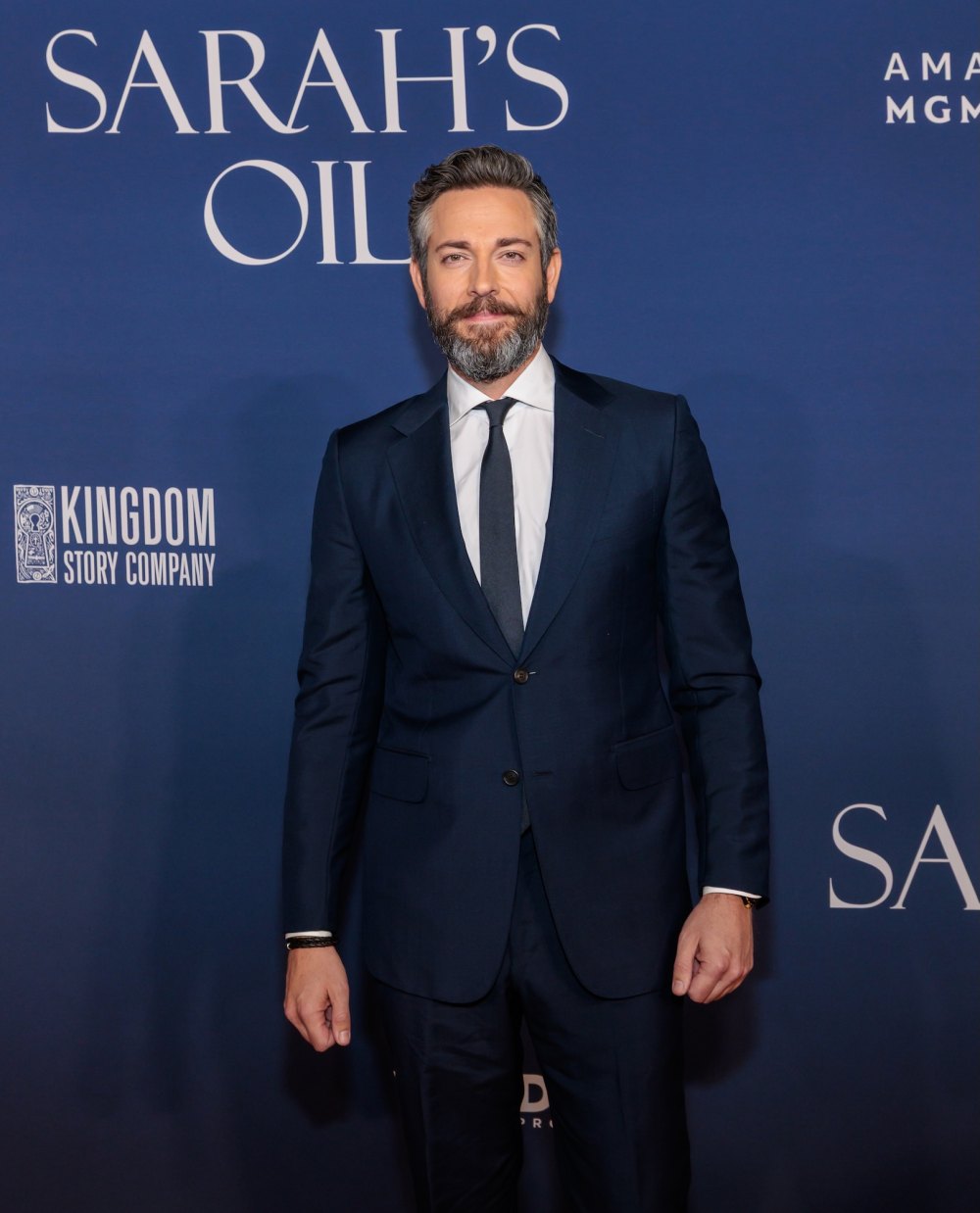
When gunfire shattered the calm of the annual White House Correspondents’ Dinner (WHCD) rehearsal, actor Zachary Levi found himself in the middle of a scene straight out of one of his high-tension film roles. Known for playing heroes on screen—from Shazam to Chuck Bartowski—Levi suddenly had to become one in real life. His account of the commotion inside the ballroom offers a rare, visceral glimpse into how quickly a night of celebration can spiral into survival.
The incident, which unfolded during an off-the-record gathering of journalists, politicians, and celebrities, thrust Levi into an unexpected role: eyewitness and informal first responder. As confusion spread and people scrambled for exits, his actions—and observations—provided clarity amid chaos.
This is not a story about red carpets or paparazzi. It’s about what happens when a public figure confronts real danger, and how his perspective adds depth to the broader conversation around security, media events, and celebrity influence in moments of crisis.
The Moment the Shots Rang Out
It started with a sound many mistook for a dropped tray or a mic feedback pop. But within seconds, the rhythm changed—sharp, rapid, unmistakable.
Levi, seated near the back of the ballroom, described the shift in atmosphere like “a switch flipping.” One moment, there was light chatter and silverware clinking. The next, a wave of motion surged toward the exits.
“I saw people drop to the floor. I heard screaming. And then, silence—except for the running,” he later recounted in a series of interviews.
Security personnel reacted quickly, but the initial moments were marked by uncertainty. Was it a prank? A prop? A real threat? Levi, drawing on years of stunt coordination and on-set crisis training, made a split-second decision: help where he could without compromising safety.
He guided a group of journalists toward a service entrance, using hand signals to keep noise down. “You don’t think. You just move,” he said. “It’s instinct layered with training.”
Zachary Levi’s Role: More Than a Bystander
Celebrities attending the WHCD often serve as decorative fixtures—glamour to balance the political weight. But Levi’s presence proved differently.
Unlike many attendees, he maintained composure and took initiative. Multiple sources confirmed that he assisted in corralling confused guests, directed people away from potential line-of-sight danger zones, and even shielded a younger staffer during evacuation.
What set Levi apart wasn’t just his physical presence, but his mental state. In an age where panic spreads faster than facts, his calm demeanor reportedly prevented stampedes. “He wasn’t yelling. He wasn’t running blindly. He was leading,” said a CNN producer who was in the room.
This behavior aligns with patterns seen in trained professionals during crises—controlled breathing, situational awareness, task delegation. Levi, though not formally trained in emergency response, has spoken openly about his experience with anxiety and trauma, suggesting a deeper emotional discipline.
Inside the Ballroom: A Timeline of Panic
Understanding the sequence of events helps contextualize Levi’s account.
- 8:17 p.m. – First gunshot heard. Many assume it’s a malfunctioning speaker or a joke.
- 8:18 p.m. – Second and third shots. Screams begin. Attendees dive under tables.
- 8:19 p.m. – Security moves toward the sound. Conflicting instructions cause hesitation.
- 8:20 p.m. – Levi and others begin informal evacuation via kitchen access.
- 8:23 p.m. – All guests accounted for in adjacent rooms. Shooter neutralized.
The ballroom, normally a symbol of elite access and political theater, became a pressure cooker of human instinct. Levi later described the surreal disconnect: “You’re in a room full of people who shape national narratives, and in seconds, none of that matters. It’s just survival.”
His observations underscore a flaw in event preparedness: while protocols exist, real-time communication often fails. “No announcements. No lights flashing. Just… silence and running,” he said.
Why Levi’s Testimony Matters
In the aftermath, national media focused on the shooter’s motive and political fallout. But Levi’s firsthand narrative introduced a human element too often lost in headlines.
His testimony did more than recount facts—it highlighted vulnerabilities in high-profile gatherings. The WHCD, despite its visibility, relies heavily on volunteer security and temporary setups. Levi pointed out inconsistencies: “Some doors were locked from the outside. Emergency exits weren’t clearly marked. It felt like we were set up to fail.”
Moreover, his status gave weight to observations that might otherwise be ignored. When a celebrity with a track record of advocacy—Levi is active in mental health and veteran support—speaks, people listen.
His interview with The Hollywood Reporter sparked renewed debate about event security for media functions. “If this can happen at the WHCD,” he said, “it can happen anywhere.”
That statement resonated far beyond entertainment circles, prompting several journalism organizations to review their safety protocols.
The Psychological Toll on Eyewitnesses
While Levi appeared composed in interviews, he didn’t downplay the emotional impact.
“I didn’t sleep for three nights,” he admitted. “Every time I closed my eyes, I heard that first pop.”
This reaction is common among trauma survivors, even those not physically harmed. The brain replays high-stress moments, searching for control. For someone whose public image is tied to heroism, the dissonance can be profound.
“People expect you to be fearless because you play heroes,” he said. “But I’m human. I was scared. I’m still processing it.”
His openness helps dismantle the myth of the unshakable celebrity. By sharing his anxiety, he validates others’ experiences and encourages dialogue about mental health in crisis response.
Celebrity Influence in Crisis Moments
Levi’s actions raise a broader question: what role should public figures play during emergencies?
Historically, celebrities are seen as symbols, not protectors. But in an age of viral footage and real-time reporting, their presence can tip the balance between chaos and coordination.
Levi’s behavior exemplifies what experts call “emergent leadership”—individuals who step up in crises without formal authority. Traits include situational awareness, calm communication, and decisive action—all of which he demonstrated.
Compare this to other incidents:
- 2017 Las Vegas Shooting: Some celebrities helped transport wounded but remained quiet afterward.
- 2019 Gilroy Garlic Festival: A local athlete led evacuations, later credited with saving lives.
- WHCD Incident: Levi combined action with advocacy, using his platform to demand change.
His influence extended beyond the ballroom. Within 48 hours, he launched a petition for standardized security at press events, gathering over 70,000 signatures. The White House Press Secretary acknowledged it in a briefing—rare recognition for a non-political figure.
What Changed After the Shooting?
The immediate aftermath saw tightened screening at future WHCD events. Metal detectors, previously optional, are now mandatory. Security teams include trauma response units, and evacuation drills are conducted before major functions.
But structural changes remain uneven. Freelance journalists and crew members still report inadequate access to safety briefings. Some networks have begun offering crisis training—ABC now includes it in onboarding for field reporters.
Levi continues to push for broader reform. “It shouldn’t take a near-tragedy at a dinner for powerful people to fix safety for everyone,” he said.
His advocacy has influenced organizations beyond D.C. The Correspondents Association of the West Coast adopted similar protocols after a close call at a fundraiser.
A New Role for Public Figures
Zachary Levi’s experience inside the ballroom wasn’t just a moment of survival—it was a transformation.
From actor to eyewitness to advocate, he’s redefined what celebrity presence can mean in a crisis. His account isn’t about fame. It’s about responsibility.
For event planners, journalists, and security teams, the lesson is clear: preparation must include human variables. Protocols fail when people don’t know how to respond. Training, communication, and psychological readiness matter as much as barricades and badges.
For the public, Levi’s story is a reminder: heroes don’t always wear capes. Sometimes, they’re the ones guiding you to the exit in the dark.
If you attend high-traffic events, know your exits, stay aware, and don’t assume someone else will take charge. As Levi proved, leadership isn’t a title—it’s a decision made in seconds.
Frequently Asked Questions
What was Zachary Levi doing at the WHCD? Levi attended as a guest of the organizers, part of an effort to increase cultural representation at the event. He was not scheduled to speak or perform.
Did Zachary Levi confront the shooter? No. Levi followed safety protocol by evacuating and assisting others. The shooter was apprehended by law enforcement within minutes.
How accurate is Levi’s account of the ballroom chaos? Multiple eyewitnesses and security logs corroborate his timeline and observations, including the use of the service entrance for evacuation.
Has the WHCD changed its security since the incident? Yes. Mandatory metal detectors, additional armed personnel, and pre-event safety briefings are now standard.
Did Zachary Levi suffer any injuries? No physical injuries were reported. However, he has spoken about experiencing acute stress and sleep disruption afterward.
Was the shooting related to politics? Investigations concluded the shooter had no direct political motive. The incident was linked to personal instability and unauthorized access.
Is Zachary Levi involved in any advocacy now? Yes. He advocates for improved event safety and mental health support for crisis survivors, working with journalist and veteran organizations.
FAQ
What should you look for in Zachary Levi Recalls Chaos Inside Ballroom During WHCD Shooting? Focus on relevance, practical value, and how well the solution matches real user intent.
Is Zachary Levi Recalls Chaos Inside Ballroom During WHCD Shooting suitable for beginners? That depends on the workflow, but a clear step-by-step approach usually makes it easier to start.
How do you compare options around Zachary Levi Recalls Chaos Inside Ballroom During WHCD Shooting? Compare features, trust signals, limitations, pricing, and ease of implementation.
What mistakes should you avoid? Avoid generic choices, weak validation, and decisions based only on marketing claims.
What is the next best step? Shortlist the most relevant options, validate them quickly, and refine from real-world results.