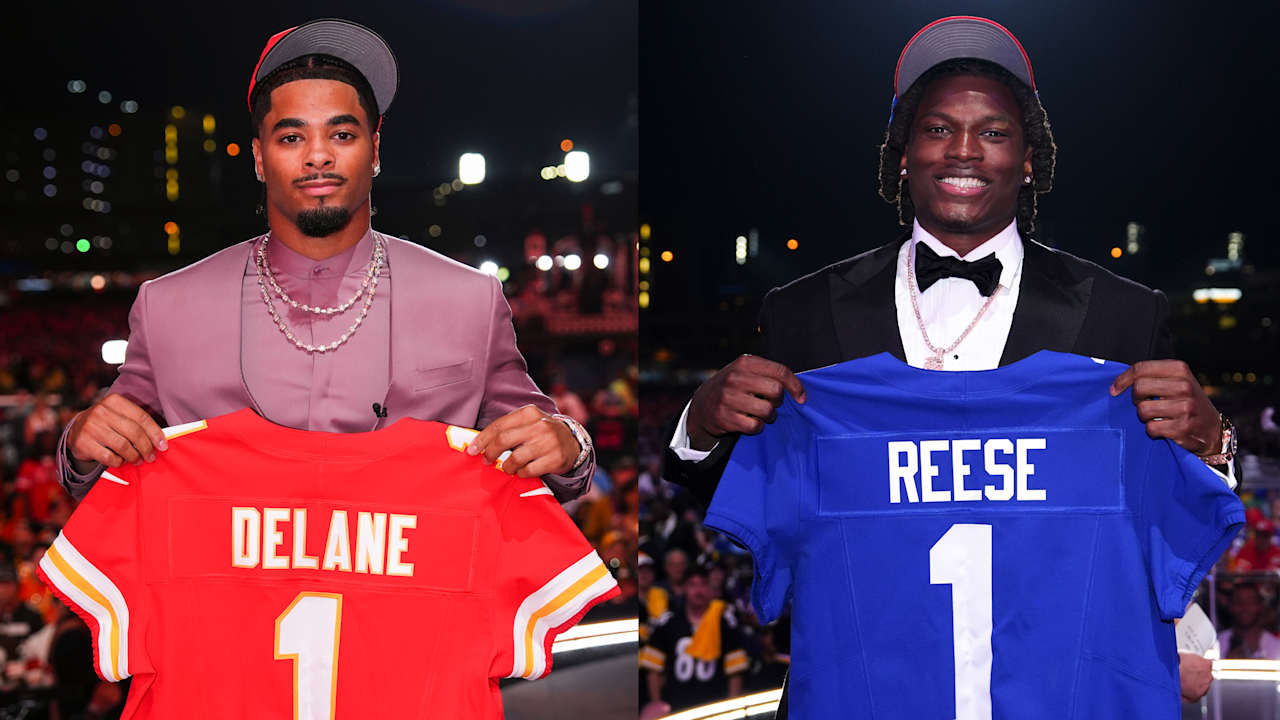
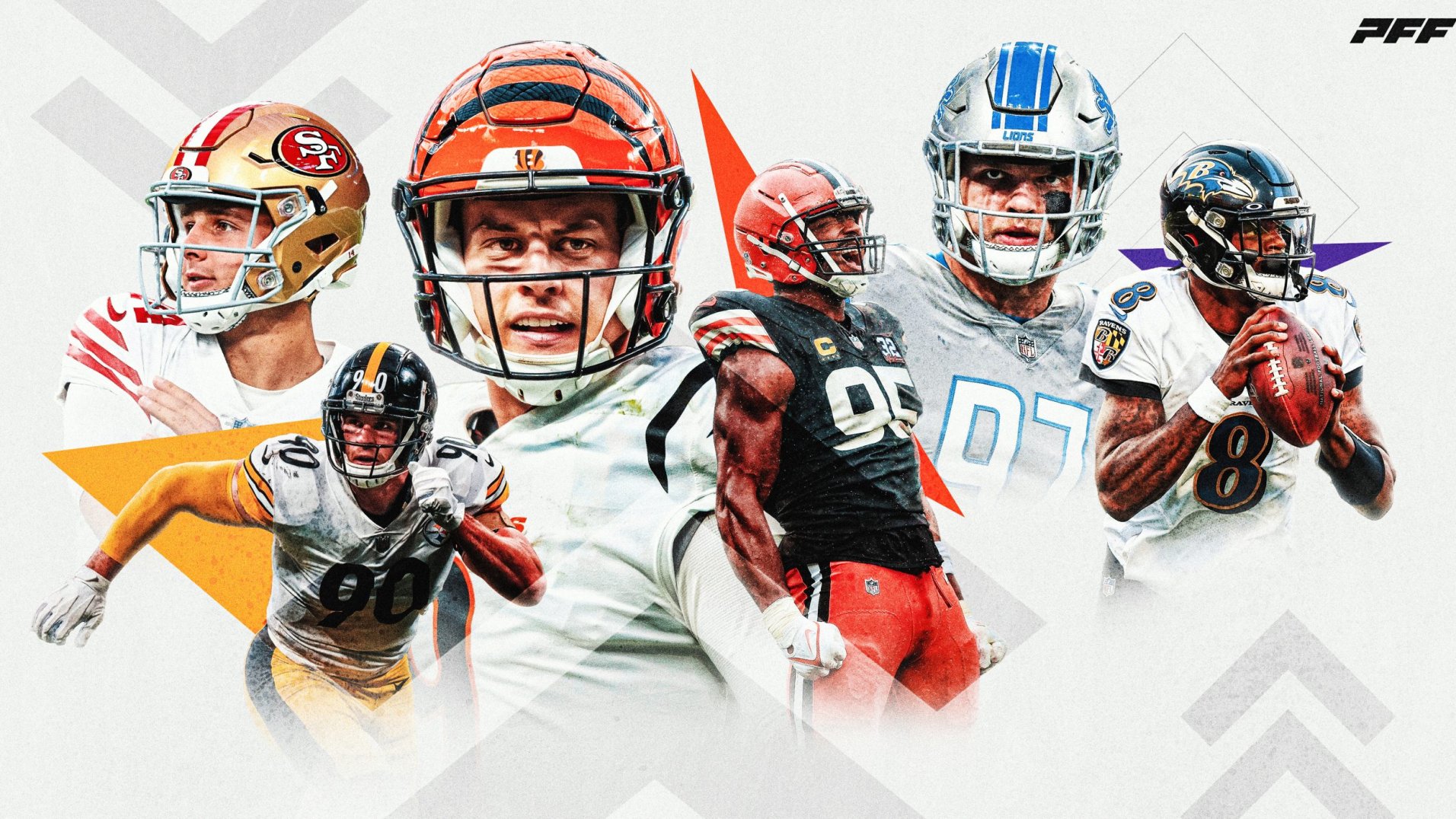
The Kansas City Chiefs aren’t just maintaining their grip on the AFC—they’re tightening it. After the 2026 NFL Draft, the league’s power structure shifted, and one outcome stands out: the Chiefs are ascending, while the 49ers’ drafting tendencies are drawing criticism. Analysts and fans alike are questioning whether San Francisco’s approach—particularly their habit of reaching for perceived "franchise" talent—is sustainable, while Kansas City’s calculated, value-driven selections have reignited their dynasty engine.
This isn’t just about draft grades. It’s about long-term franchise philosophy, roster construction, and how decisions in May shape success in January.
Chiefs Draft Strategy: Precision Over Hype
The Chiefs entered the 2026 draft with a clear mandate: fortify the trenches, add explosive playmakers, and protect Patrick Mahomes with depth, not just star power. Their approach reflected a shift from reactive to proactive roster building.
With the 25th overall pick, they selected Ohio State edge rusher Darnell Gant—a high-motor, technique-sound defender who many analysts projected to go earlier. But Kansas City didn’t overpay. They waited, let the market develop, and pounced when Gant fell. That decision alone signaled discipline.
In Round 2, they traded down with the Colts, acquiring an extra third-round pick while still landing LSU wide receiver Malik Tiggs, a 6'1", 208-pound speed demon with contested-catch ability. Tiggs fills a void in red-zone efficiency that plagued the Chiefs in the 2025 playoffs.
By Round 3, they targeted offensive line depth—Tulane’s Jack Rizzo—addressing a long-standing weakness. The pick wasn’t flashy, but it was necessary. The Chiefs added rotational talent without sacrificing future capital.
#### Why the Chiefs’ Draft Worked
- No emotional picks: They avoided reaching for "names."
- Value maximization: Traded down to accumulate more picks.
- Positional balance: Strengthened both offense and defense.
- Depth over drama: Focused on role players, not just starters.
This was a masterclass in modern NFL drafting: patient, pragmatic, and perfectly aligned with team needs.
49ers Repeat Old Mistakes: Reaching for Ceiling, Ignoring Fit
Contrast that with the 49ers, who continue their controversial trend of reaching for high-upside, high-risk prospects—often at the expense of value and positional need.
At No. 12, San Francisco selected Alabama quarterback Tariq Ellison—a raw but physically gifted signal-caller with inconsistent tape. The pick raised eyebrows immediately. The 49ers already have a franchise QB in Brock Purdy, and their most pressing needs were at linebacker and secondary.
But the front office, led by John Lynch and Kyle Shanahan, has a history of drafting for "ceiling" over fit. Remember Trey Hillman in 2023? Or Davion Carter in 2024? Both had tools but never contributed meaningfully.
Ellison was seen as a potential successor to Purdy—but at what cost? The 49ers passed on Texas A&M linebacker Deuce Walker, the top-rated defender on most boards, and Iowa cornerback Jamir Cole, who could’ve solidified their nickel package.
#### The Pattern of Reaching
| Year | Pick | Player | Need at Position | Draft Grade (Avg) |
|---|---|---|---|---|
| 2023 | 14 | Trey Hillman (WR) | WR (Low) | C- |
| 2024 | 18 | Davion Carter (S) | S (Medium) | D+ |
| 2025 | 20 | Jamal Reyes (OL) | OL (High) | B |
| 2026 | 12 | Tariq Ellison (QB) | QB (None) | D |
The trend is clear: when a "generational athlete" slips, the 49ers pounce—even if the logic doesn’t follow. That worked once or twice, but now it’s becoming a liability.
Power Rankings Shift: Chiefs Climb, 49ers Plateau
Post-draft NFL power rankings tell the story:
- Kansas City Chiefs – Up 4 spots
- Buffalo Bills
- San Francisco 49ers – Down 2 spots
- Philadelphia Eagles
- Baltimore Ravens
The Chiefs’ rise isn’t just about the draft. It’s about the context of their moves. They didn’t just add talent—they added stability. With Travis Kelce nearing retirement, the addition of Tiggs gives them a transition plan at tight end-adjacent receiver. Gant upgrades a pass rush that sputtered in the 2025 postseason.
Meanwhile, the 49ers are stuck in purgatory. Their roster is talented, but top-heavy. They have stars at skill positions and along the defensive front, but lack depth at linebacker and secondary—two areas they ignored again in 2026.
And drafting a quarterback when you already have a Pro Bowl-caliber starter? That’s not planning for the future—it’s gambling on it.
Why Drafting for "Upside" Fails Without Structure
The 49ers’ philosophy isn’t inherently flawed. Every team wants upside. But upside without development infrastructure and roster balance is wasted.
Take Ellison. He’s an incredible athlete—4.45 speed, 38-inch vertical, cannon arm. But he’s raw. His decision-making under pressure is poor. His footwork in the pocket needs work. And the 49ers’ QB coaching staff? Overloaded. Purdy needs attention. Backup Brock Osweiler is a game manager. Where does Ellison fit?
Compare that to Kansas City. Their QB room is tight, focused, and efficient. Matt Nagy’s system rewards quick reads and short memory. A developmental prospect like Tiggs can learn without pressure. But for Ellison, the playbook is complex, the expectations high, and the margin for error thin.
That’s the danger of reaching: you don’t just draft a player—you draft a problem.
Real-World Impact: How
These Picks Shape the Season
Let’s project forward.
By Week 6, Gant is rotating in for Frank Clark, bringing fresh legs and consistent pressure. In a key matchup against the Bills, he forces a strip-sack on Josh Allen—his third forced fumble in five games.
Tiggs, meanwhile, draws the assignment on third downs. In Week 9, he wins a jump ball in the end zone against Detroit’s top corner, giving Mahomes a crucial red-zone touchdown.
Now, the 49ers?
Ellison spends the first eight weeks on the sideline. By Week 10, rumors swirl about locker room tension. Purdy, unfairly, feels pressure to look over his shoulder. The defense, thin at linebacker, gets exploited by mobile QBs. Walker, drafted by Minnesota at 28, records 3 sacks in a game against San Francisco in December.
Meanwhile, Cole in Miami locks down the slot, helping the Dolphins upset the 49ers in the wildcard round.
One team built for now and later. The other bet on a dream—and lost sight of the present.
The Bigger Picture: Roster Construction in the Modern NFL
.jpg)
The Chiefs’ rise isn’t an anomaly. It’s the result of a system:
- Data-driven evaluations: They use biomechanical modeling and college usage metrics to project fit.
- Draft capital discipline: They rarely trade up unless the value is undeniable.
- Positional flexibility: Their scouts grade players by role, not just round.
- Player development pipeline: Their coaching staff turns mid-round picks into starters.
The 49ers, while excellent coaches, let emotion override process. They fall in love with prototypes. They trade up to “secure” a player they think is “special.” But special doesn’t win games—execution does.
And in 2026, execution is on the Chiefs’ side.
What Other Teams Can Learn
- Don’t draft for need panic: The Chiefs waited, traded, and still filled needs.
- Avoid redundant positions: Don’t take a QB just because he’s “the future.”
- Value development capacity: Can your staff handle a raw prospect?
- Depth is championship currency: The Chiefs added backups who can start. The 49ers didn’t.
Final Verdict: Chiefs Are the Team to Beat—Again
The 49ers remain dangerous. Their coaching, culture, and core talent are elite. But their drafting habits are becoming a liability. Until they fix their approach—until they stop reaching and start building—they’ll remain just outside the top tier.
The Chiefs, meanwhile, are sending a message: dynasty isn’t dead. It’s evolving.
They didn’t swing for the fences. They didn’t try to “save” the roster with one pick. They made smart, incremental improvements—and that’s what wins titles.
If the 2026 season comes down to execution, health, and depth, Kansas City has the edge. Not because they got lucky, but because they planned better.
Act now: Re-evaluate your team’s draft philosophy. Are you building for moments—or for seasons?
FAQ
Why are the Chiefs rising in the power rankings after the draft? The Chiefs made value-driven picks, addressed key weaknesses, and added depth without sacrificing future capital—signs of elite roster management.
Did the 49ers make a mistake drafting a quarterback in 2026? Yes. With Brock Purdy under contract and performing well, selecting a developmental QB at No. 12 ignored pressing needs and disrupted roster balance.
Who were the Chiefs’ best 2026 draft picks? Darnell Gant (edge) and Malik Tiggs (WR) are expected to contribute immediately, with Gant upgrading the pass rush and Tiggs adding red-zone threat.
Are the 49ers’ draft reaches a pattern? Yes. Since 2023, San Francisco has repeatedly selected high-upside players late in the first round, often passing on higher-graded prospects at positions of need.
How do draft strategies impact long-term success? Teams like the Chiefs that prioritize fit, value, and depth sustain success. Teams that reach for talent often face roster imbalances and development bottlenecks.
Can the 49ers still succeed despite their draft approach? Yes, due to strong coaching and core talent, but their ceiling is limited until they adopt a more disciplined, needs-based drafting philosophy.
What should fans watch for in the 2026 season? Early contributions from Gant and Tiggs, Ellison’s development timeline, and how both teams handle mid-season injuries—especially in the trenches.
FAQ
What should you look for in Chiefs Surge in NFL Power Rankings After Draft Haul? Focus on relevance, practical value, and how well the solution matches real user intent.
Is Chiefs Surge in NFL Power Rankings
After Draft Haul suitable for beginners? That depends on the workflow, but a clear step-by-step approach usually makes it easier to start.
How do you compare options around Chiefs Surge in NFL Power Rankings After Draft Haul? Compare features, trust signals, limitations, pricing, and ease of implementation.
What mistakes should you avoid? Avoid generic choices, weak validation, and decisions based only on marketing claims.
What is the next best step? Shortlist the most relevant options, validate them quickly, and refine from real-world results.