They’re on magazine covers, red carpets, and streaming screens worldwide—untouchable icons of beauty and success. But behind the glamour, A-list celebrities face a brutal reality: relentless public scrutiny over their appearance. From viral roast memes to comment sections filled with vicious insults, Hollywood’s biggest stars are increasingly speaking out about the psychological toll of being bullied for how they look.
This isn’t just about tabloid gossip. It’s a systemic culture of trolling that blends celebrity obsession with digital anonymity, creating a perfect storm of emotional abuse. And now, actors, singers, and power players are breaking their silence—not to seek sympathy, but to expose a pattern that affects millions beyond the Hollywood elite.
The Ugly Side of Fame: When Public Figures Become Targets
Fame doesn’t shield you from cruelty—it amplifies it. Once a face becomes globally recognizable, it becomes fair game. Photoshop fails, aging signs, weight fluctuations, or even wardrobe choices can ignite viral ridicule. What starts as a single meme can spiral into a full-scale online harassment campaign.
Consider how Jennifer Lawrence was body-shamed during her Oscar-winning peak. Despite critical acclaim and box office dominance, she faced a flood of comments calling her “too thick” or “not model-thin.” In interviews, she admitted that such comments stuck with her, revealing, “It’s impossible not to internalize it when you see it everywhere.”
Similarly, Chris Hemsworth faced a wave of trolling after gaining weight for Thor: Love and Thunder. Once the poster child for superhero physiques, fans and strangers online mocked him as “Dad Thor” or “unfit.” The studio even reportedly considered recasting. The psychological pressure became so intense that Hemsworth later confirmed he was diagnosed with anxiety, partly fueled by public expectations.
These aren’t outliers. They’re symptoms of a trolling epidemic that treats celebrity bodies as public property.
Social Media: The Amplifier of Hollywood Harassment Before Instagram and Twitter, public criticism of stars was limited to gossip columns and late-night monologues. Today, anyone with a phone can direct hate at A-listers—often with zero accountability.
Platforms like X (formerly Twitter) and TikTok have become battlegrounds where “roasting” is normalized as humor. Entire meme accounts are built on mocking celebrities’ looks. Some even use AI-generated images to distort faces or create fake “before and after” weight gain/loss edits.
Zendaya has been one of the most vocal about this. Despite being hailed as a fashion icon, she’s been targeted for her skin tone, facial features, and natural hair. In a 2022 interview, she said: > “People feel entitled to comment on my body, my race, my choices. It’s not criticism. It’s bullying disguised as opinion.”
Her experience mirrors that of Lizzo, who has faced grotesque body-shaming for years. Trolls call her “disgusting” or “unfit to be on stage,” despite her health being no one’s business. Lizzo has responded with resilience, but not without cost—she’s spoken openly about needing therapy to cope with online hate.
The Role of Industry Insiders: When the Bullies Are Inside the Room
It’s not just the public. Sometimes, the most damaging comments come from within Hollywood itself.
Actors report being pulled aside by casting directors and told to “lose 10 pounds” or “fix your nose.” Scarlett Johansson once revealed a director told her she wasn’t “sexy enough” for a role—despite being one of the most in-demand actresses of her generation.
Emma Stone shared a chilling anecdote about being told she wasn’t “hot” enough early in her career. “It made me question everything,” she said. “And I was 17.”
This internalized bias—where looks dictate opportunity—creates a feedback loop. Stars are bullied publicly for not meeting beauty standards, while being pressured privately to conform. The result? Chronic anxiety, eating disorders, and cases of self-image collapse.
Psychological Impact: Beyond the Memes
The cumulative effect of constant appearance-based bullying is severe. Studies show that even A-listers aren’t immune to depression, PTSD, or suicidal ideation linked to online abuse.
Demi Lovato has been transparent about how years of body-shaming contributed to their eating disorder and substance abuse. In their documentary Child Star, they revealed how early fame made them a target: > “I wasn’t a person. I was a thing to be judged.”
Justin Bieber also battled mental health crises amid relentless trolling. At one point, he deactivated Instagram, citing the toxicity. “It messes with your head,” he said. “When you see thousands of people saying you’re ugly or worthless, it starts to feel true.”
The irony? Many trolls claim they’re “just joking.” But when the joke is repeated daily across platforms, it becomes psychological warfare.
Celebrity Counterattacks: How Stars Are Fighting Back
Rather than retreat, many stars are pushing back—with strategy and solidarity.
1. Calling Out Trolls Publicly Gal Gadot shut down a viral post mocking her smile by reposting it with the comment: “I love my smile. Do you love yours?” The move flipped the script and gained widespread support.
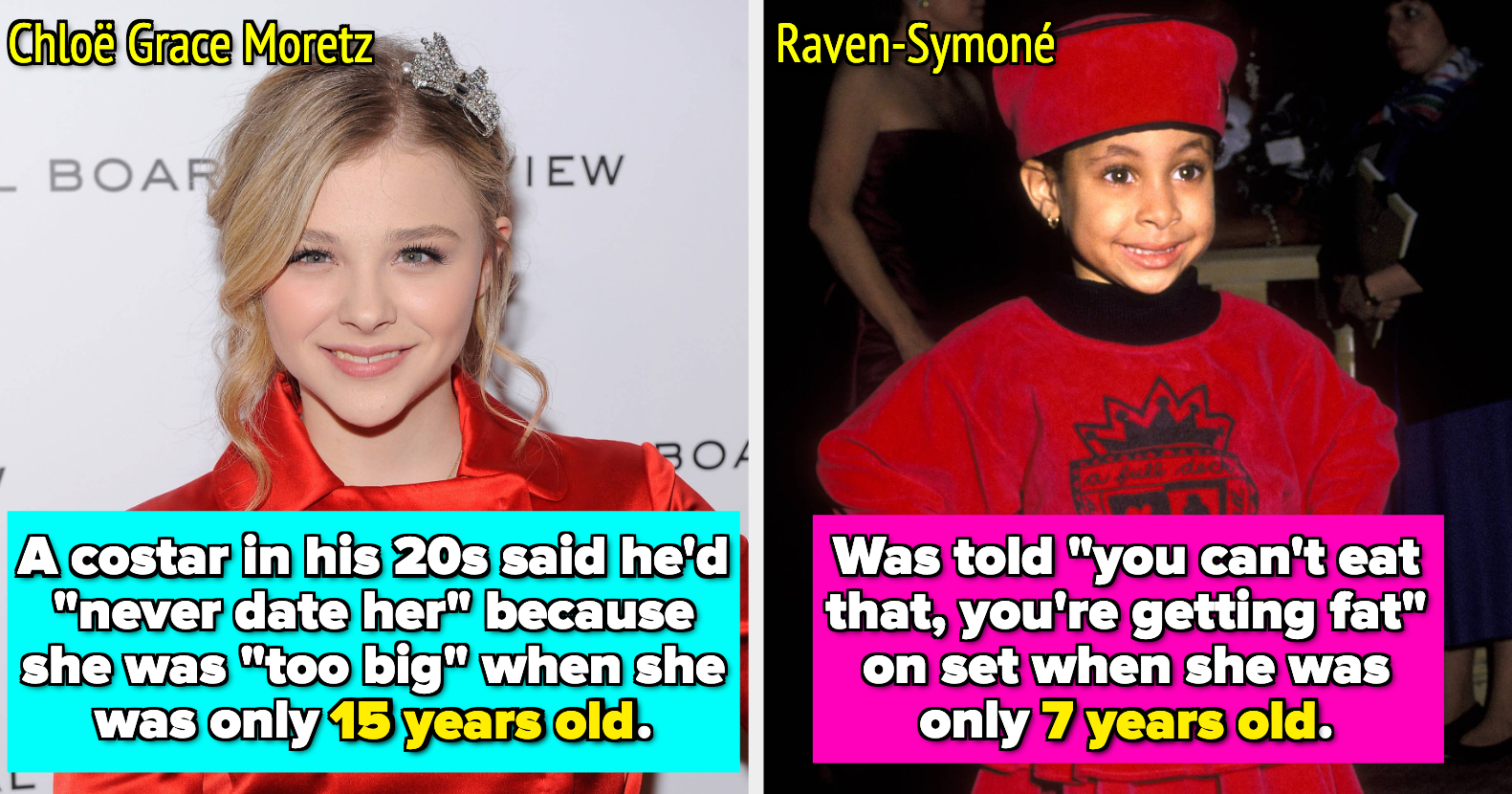
2. Legal Action Some are taking legal steps. Kylie Jenner filed lawsuits against parody accounts that doctored her images in degrading ways. While free speech is protected, defamation and deepfake misuse are crossing legal lines.
3. Advocacy and Campaigns Selena Gomez launched the “Wear Your Voice” initiative, urging fans to report cyberbullying. Her company, Rare Beauty, donates a portion of profits to mental health programs.
4. Platform Accountability Demands Stars like Billie Eilish and Jameela Jamil have pressured Instagram and TikTok to improve content moderation, especially around body-shaming and AI-generated abuse.
The Bigger Picture: Why This Matters Beyond Hollywood
The trolling of A-listers isn’t just a celebrity problem. It reflects and reinforces broader societal issues:
- Beauty bias in hiring, promotions, and social perception
- Normalization of online cruelty, especially toward women and people of color
- Distorted self-image in young fans who compare themselves to edited, filtered, or ridiculed stars
When a 14-year-old sees a beloved actress called “fat” or “ugly” by thousands, they learn that appearance is the ultimate metric of worth. That mindset spreads—into schools, workplaces, and relationships.
What Can Be Done? Practical Steps Toward Change
The solution isn’t to stop critiquing appearances altogether. It’s to draw a line between constructive commentary and targeted abuse.
For Fans and Followers: - Think before you share—a meme may seem funny, but it can deepen someone’s pain. - Report abusive content—platforms respond to user reports. - Support body-positive messaging—follow and amplify voices promoting self-acceptance.
For Industry Leaders: - End appearance-based casting demands—focus on talent, not conformity. - Provide mental health resources—especially for young actors navigating fame. - Call out toxic behavior—executives and peers must challenge bullying when they see it.
For Social Media Platforms: - Improve AI detection for deepfakes and hate speech. - Enforce real-name policies in harassment cases. - Create faster reporting systems with human review.
Closing: Fame Isn’t a Shield—It’s a Spotlight on Human Vulnerability
Hollywood trolling over appearance isn’t just “part of the job.” It’s a reflection of how we collectively treat human bodies in the digital age. When A-listers say they’ve been bullied, they’re not asking for pity—they’re holding up a mirror.
The next time you see a viral post mocking a celebrity’s look, ask: Is this funny? Or is it feeding a culture that hurts everyone?
The truth is, no one—famous or not—should have to navigate life under the weight of relentless judgment. And real change starts with recognizing that cruelty, even in jest, has consequences.
Frequently Asked Questions
Why do celebrities get bullied more about their looks? Because their images are constantly in the public eye, making them easy targets for comparison, criticism, and trolling—especially on social media.
Do A-listers actually care about online comments? Yes. Despite their success, repeated negative messages affect mental health, self-worth, and can contribute to anxiety or depression.
Can online trolling lead to real-world harm? Absolutely. Studies link cyberbullying to increased risks of depression, self-harm, and even suicidal thoughts—even among successful adults.
Are there legal consequences for trolling celebrities? In extreme cases—like doxxing, deepfakes, or threats—yes. Some celebrities have successfully sued for defamation or harassment.
How can fans support celebrities facing online abuse? By reporting abusive posts, avoiding the spread of harmful memes, and promoting positive, respectful discourse online.
Is Hollywood doing enough to protect its stars? Not yet. While some agencies and studios offer mental health support, systemic change—like ending appearance-based casting—remains slow.
What can social media platforms do better? Improve moderation, reduce anonymity in abuse cases, and prioritize user safety over engagement metrics.
FAQ
What should you look for in Hollywood Trolling Horror: A-Listers Reveal Bullying Over Looks? Focus on relevance, practical value, and how well the solution matches real user intent.
Is Hollywood Trolling Horror: A-Listers Reveal Bullying Over Looks suitable for beginners? That depends on the workflow, but a clear step-by-step approach usually makes it easier to start.
How do you compare options around Hollywood Trolling Horror: A-Listers Reveal Bullying Over Looks? Compare features, trust signals, limitations, pricing, and ease of implementation.
What mistakes should you avoid? Avoid generic choices, weak validation, and decisions based only on marketing claims.
What is the next best step? Shortlist the most relevant options, validate them quickly, and refine from real-world results.